
Who is Ann Angel? Understanding the Professional Persona
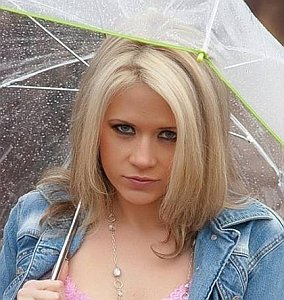
Ann Angel is a recognized figure in the adult modeling industry, primarily active during the mid-2000s. Unlike mainstream celebrities, her career was built within specialized photographic markets. Understanding her background is the first step in identifying why her images are frequently targeted by online imposters.
She established her portfolio through high-contrast erotic photography. These images are aesthetically striking, which makes them prime targets for digital theft. If you are reading this, it is likely because you encountered a profile using her likeness and need to verify its legitimacy.
Why Scammers Target Ann Angel’s Images
Scammers operate like digital burglars. They look for high-quality assets that have a “ready-made” appeal. Ann Angel’s professional portfolio provides them with hundreds of photos that look authentic and high-end. This is called image harvesting.
Think of it like a counterfeit luxury handbag. The scammer uses the original visual appeal of the brand—in this case, the model—to sell a fake identity. Because her images exist on multiple older platforms, scammers can easily bypass basic Google searches by victims who do not know how to perform a reverse image search.
The Mechanics of an Ann Angel Impersonation Scam
The scam follows a predictable technical process. Understanding this flow can save you thousands of dollars and months of emotional distress. Here is how they build the trap:
- Account Hijacking or Creation: They create fresh profiles on dating sites or social networks using stolen photos.
- The Grooming Phase: They initiate contact, often mirroring the interests you display on your own profile.
- Building False Intimacy: They use the model’s photos to “prove” their identity, sometimes even using edited video clips to bypass suspicion.
- The Hook: The conversation shifts to personal struggle or a sudden financial emergency that only you can solve.
The Financial Red Flags You Must Recognize
Scammers rarely ask for large sums of money immediately. They use a technique called the “salami slicing” method. They start with small, seemingly trivial requests that don’t trigger your internal alarm system.
Scammers might ask for a gift card to cover a phone bill or a small transfer for a sudden medical copay. Once you pay the first time, you are categorized as a “willing victim.” They will continue to escalate these requests until you are tapped out or realize the truth.
Practical Steps to Protect Yourself
You do not need to be a cybersecurity expert to defend yourself. Follow these professional verification standards:
- Reverse Image Search: Right-click any photo the person sends you and select “Search image with Google.” If it appears on multiple modeling sites, you are talking to a scammer.
- The Video Call Test: If the person refuses to get on a live, unscripted video call, end the conversation. No exceptions.
- Financial Hard-Stop: Never send money to someone you have only met online. A legitimate partner will never request funds from a stranger via wire transfer or cryptocurrency.
Field Experience: The Cost of Denial
I have analyzed countless cases where victims “knew” something was off but chose to believe the fantasy. This is the most dangerous aspect of romance scams. The human brain is wired to prioritize emotional connection over logical warnings.
A common error is believing that the person is “different” or that their story is too complex to be a lie. Scammers rely on this emotional investment. If you find yourself making excuses for someone you have never met, stop immediately. Close the chat, block the user, and delete your interaction history.
Summary: Your Safety Checklist
If you suspect you are being catfished by someone claiming to be Ann Angel, take these three actions right now:
- Stop all financial transactions immediately. Do not attempt to “negotiate” a refund.
- Download all communications and report the profile to the platform’s support team.
- Search for the images online to see if they belong to a known professional model.
Remember, the person behind the screen is not who they say they are. Protecting your identity and your assets is your sole responsibility in the digital space.
Content updated on 2026-08-23






I’m scammed by herr can same one tell me more
is the picture i uploaded of Ann Angel
or of the scammer they got my name rught on the siign she is holding
Yes Came Across This One on M4M-Using Juliet Narko-Recognized her Immediately!-Never was Scammed By Her But She or He Is Still Active!
Is Ann angel a scammer
is this person photo is a scamner ??she has many pictures say stolen by scamers .some pictures say not a scammer. then why are u having her pictures on when she is not a scammer.that way when people see her ur rounung her repaitation..I know few women who are scammers
The “Ann Angel” picture i recognise as an online scammer. Currently pertaining to be “Bridget Andrews” operating in “Ghana”, and operating with a live account on Google Hangouts. She / he operates using the following methodologies: 1 online cash transfer cards, Gift cards, telephone pin / chip top ups as well as cash transfers.
Please take care with this person:
Uses fake video footage and pretends it is live cam…. but it is not,,,, look for editing faults…. one obvious one with her was i interrupted the video call, and called her back immediately…. unfortunately the “video” was re-started at an earlier point that i had already seen hahaha – also interrupt the video with text replies and see if these are read and responded too visually by the recipient on the video. A normal person averts their eyes to read the text